Indoor air quality testing, monitoring and solutions in Dubai
HawaQ measures the air inside villas, offices, schools, hospitals, hotels, museums and palaces with professional sensors. Then we fix what the data shows, with Swiss, British and German technology.
Exclusive GCC distributorMeasured against Dubai Municipality guidelinesDubai-based team
Meeting room · exampleLive
Good
PM2.56µg/m³
CO₂640ppm
Humidity48%
Trusted across the UAE by
Our approach
Measure first. Then fix only what the data shows.
Most indoor air problems are invisible. Carbon dioxide builds up in meeting rooms and classrooms, fine dust gets in during sandstorms, and humidity feeds mould in coastal villas. We find the problem before we recommend anything.
Phase 1 · Monitor
Indoor air quality monitoring and assessment
Professional sensors measure your air minute by minute. Choose a two-week assessment, or permanent monitoring with live dashboards, alerts and monthly reports.
Purification, dehumidification and UV-C disinfection
Based on the results, we specify the right solution and size it to the space, from a single bedroom to a hospital ward, a classroom or a museum gallery.
Professional monitors log your air as often as once a minute, in the rooms that matter, for two weeks or permanently. You see the data live, and we explain what it means.
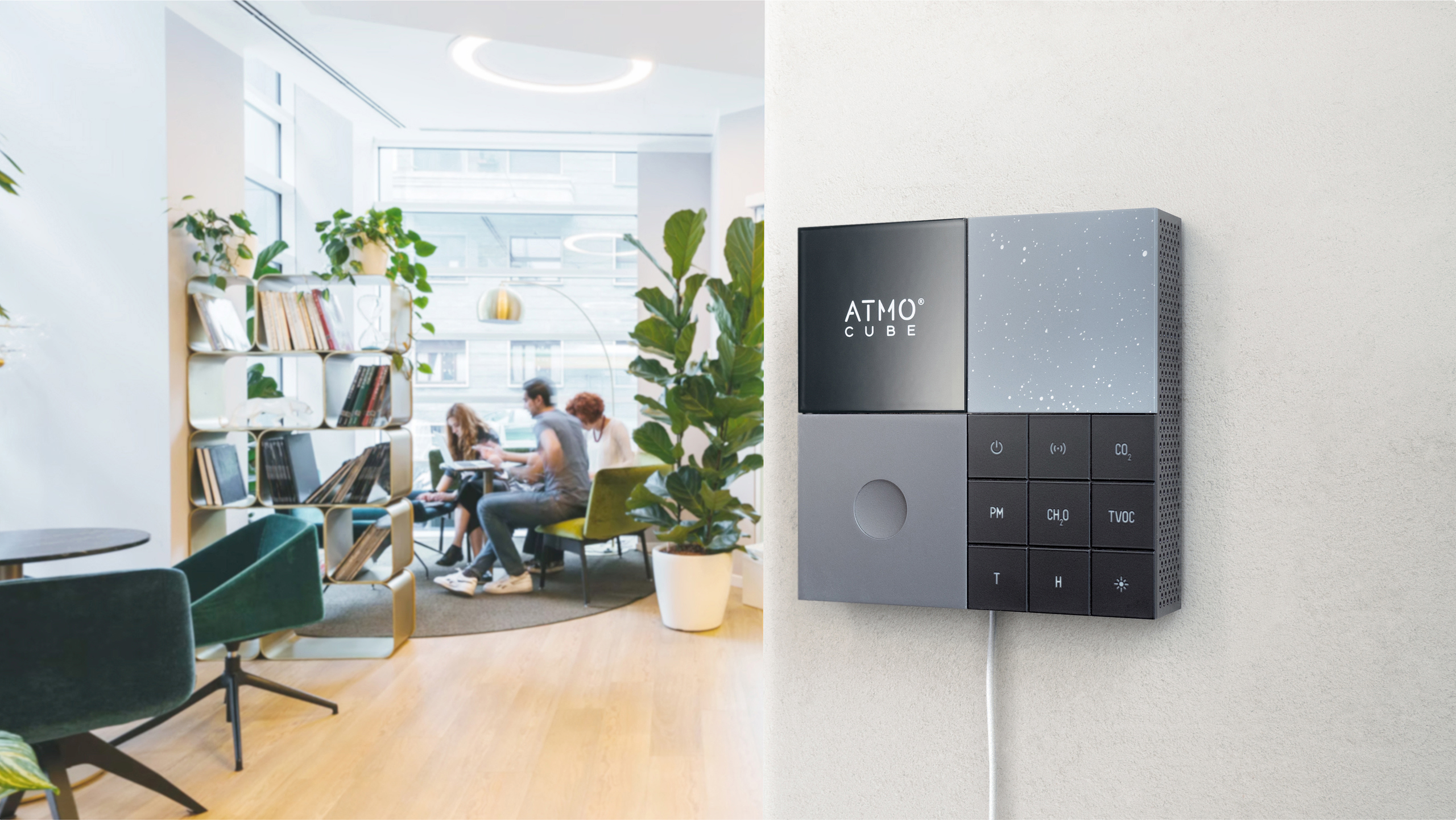
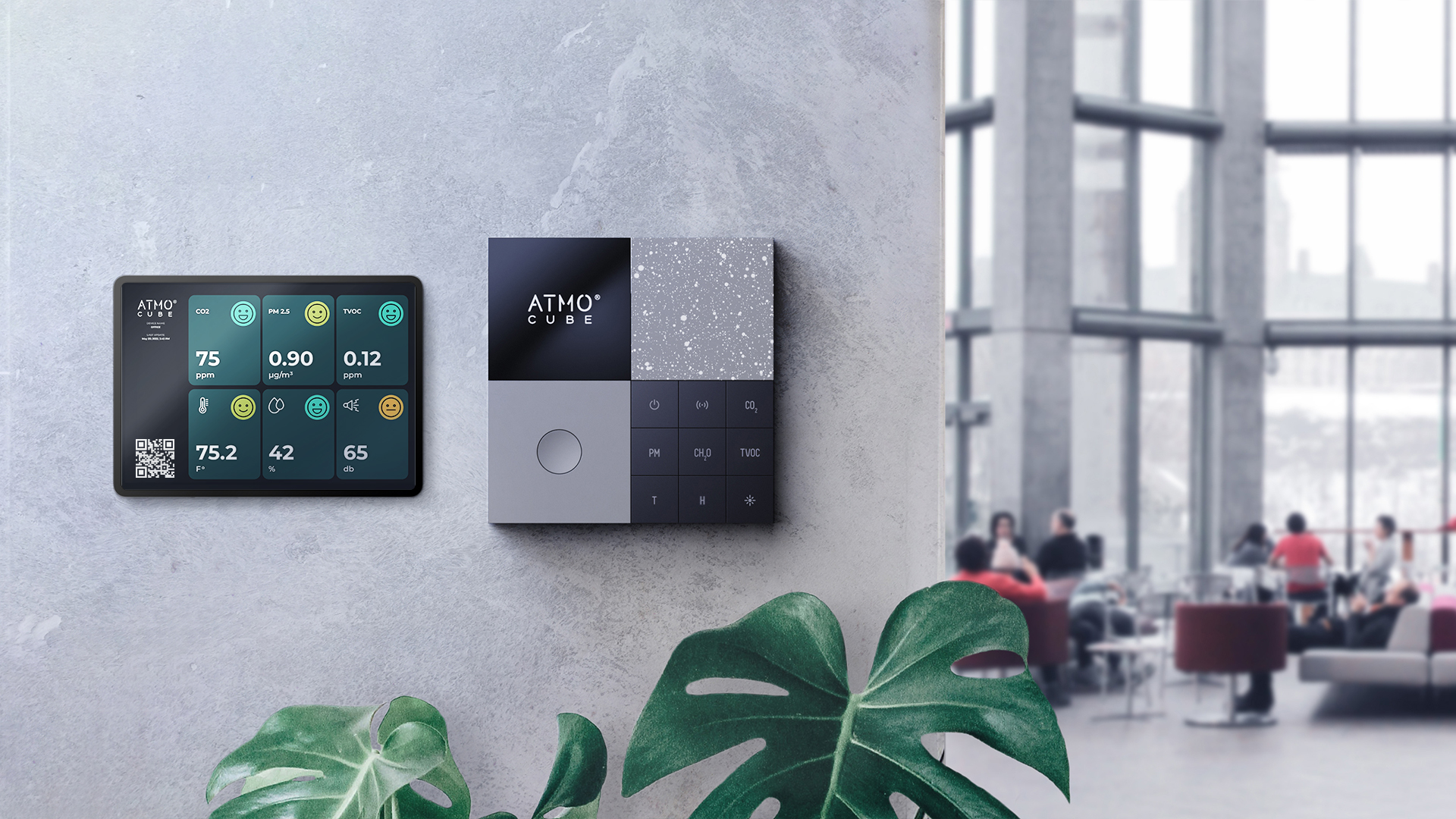
The right sensors: Kaiterra and Atmocube monitors, placed at breathing height away from windows and air outlets
The readings that matter: PM2.5, PM10, CO₂, TVOC, formaldehyde, temperature and humidity
Live dashboard and alerts for owners, facility teams and occupants
A clear report against Dubai Municipality, WHO and EIAQI values, room by room
Sun Studio Dubai: a 3,000 m² UV printing production floor
MedicAir Pro Max air purifiers for the Al Quoz 1 warehouse of Sun Studio Dubai, one of Dubai’s leading UV printing studios, where dust arrives with every delivery of glass, bottles and cartons.
Read the case study
Humidity controlPalm Jumeirah · Marina · JBR · La Mer
50+ waterfront homes: humidity fixed with Lukas Pro
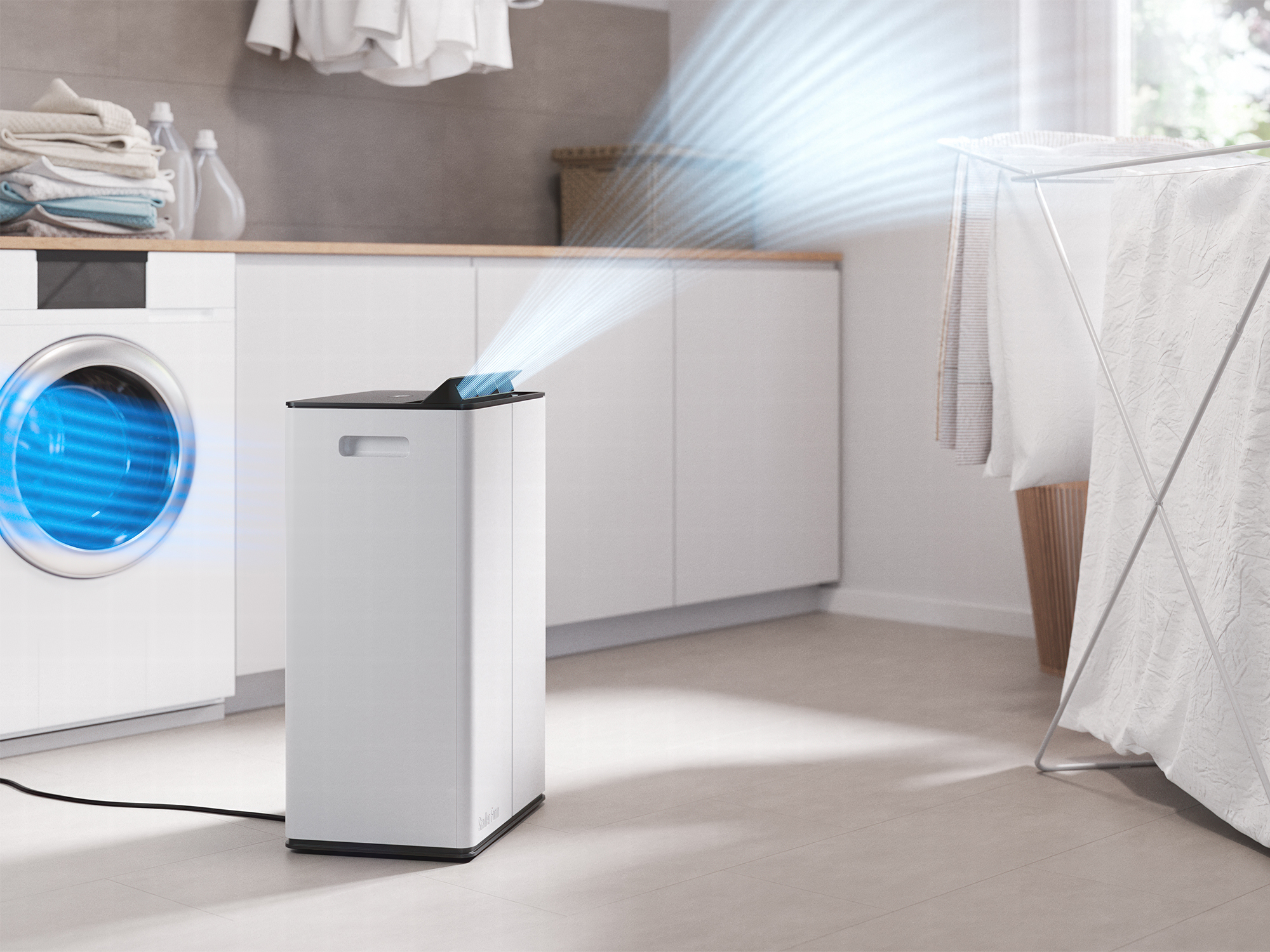
One month of monitoring in VIP homes across Palm Jumeirah, Dubai Marina, JBR and La Mer, then Stadler Form Lukas Pro dehumidifiers sized to each space.
Read the case study
Standards
Measured against the standards UAE buildings answer to
Our reports compare your readings with Dubai Municipality’s indoor air quality guidelines and the WHO air quality guidelines, and support projects working towards WELL, LEED, RESET Air and Al Sa’fat. That makes the data useful for health and safety, certification and ESG reporting.
Formal Dubai Municipality IAQ compliance tests must be carried out by a laboratory accredited by the Emirates International Accreditation Centre (EIAC). Continuous monitoring shows how your building performs between those tests.
Dubai Municipality indoor air quality limits, explained
Dubai Municipality indoor air quality limits for CO₂, PM2.5, PM10, TVOC and formaldehyde, who may test, how often, and how Al Sa’fat differs.
Read the guide
Homes
Ideal indoor humidity in UAE homes, and how to stop mould
The ideal indoor humidity for Dubai homes, why rooms stay humid with the AC on, what humidity causes mould, and when a dehumidifier helps.
Read the guide
Schools
CO₂ levels in classrooms: what is acceptable, and how to monitor it
Acceptable CO₂ levels in classrooms under Dubai Municipality, Al Sa’fat, the EIAQI, WELL and RESET, why CO₂ rises in lessons and how to lower it.
Read the guide
About HawaQ
The air quality division of PRO TECHnology
HawaQ is the indoor air quality division of PRO TECHnology (Pro Technology Co. L.L.C.), a technology distributor based on Sheikh Zayed Road, Dubai. HawaQ is the exclusive GCC distributor for Atmocube, MedicAir and Dinies, and Kaiterra monitors are supplied through PRO TECHnology, an authorised Kaiterra distributor in the UAE.
Stadler Form products for homes are sold online at stadlerform.ae, the Stadler Form UAE store.
HawaQ is the indoor air quality division of PRO TECHnology in Dubai, and has worked on indoor air quality since 2017. We monitor indoor air with professional sensors from Kaiterra, Atmocube and Airthings, then recommend and install the solution the data calls for: MedicAir air purifiers, Stadler Form dehumidifiers and Dinies UV-C disinfection. We work across the UAE and the wider GCC.
How do I test the indoor air quality of a home or office in Dubai?
Place professional monitors in the rooms you use most for one to two weeks, so the data covers weekdays, weekends and air-conditioning cycles. HawaQ installs the sensors, logs PM2.5, PM10, CO₂, TVOC, temperature and humidity, and reports the results against Dubai Municipality guideline values.
What is a safe CO₂ level indoors in Dubai?
Dubai Municipality's indoor air quality guidelines set 800 ppm as an 8-hour average for existing buildings, or no more than 700 ppm above the outdoor level. Higher readings usually mean a room is not getting enough fresh air for the number of people in it.
What PM2.5 level is acceptable indoors?
Dubai Municipality allows up to 35 µg/m³ of PM2.5 averaged over 24 hours. The World Health Organization’s 2021 guideline is stricter, at 15 µg/m³ for a 24-hour average. During dust events, indoor PM2.5 rises quickly unless filtration keeps up.
What humidity level should a UAE home have?
Dubai Municipality recommends 20–60% relative humidity, and below 50% where feasible to control dust mites. Coastal villas often run higher in summer, which is when mould and musty smells appear. A dehumidifier sized from measured data fixes it.
Is HawaQ an official distributor?
Yes. Through PRO TECHnology, HawaQ is the exclusive GCC distributor for Atmocube, MedicAir and Dinies, and PRO TECHnology is an authorised Kaiterra distributor in the UAE. PRO TECHnology is also the authorised exclusive Stadler Form distributor for the UAE, Saudi Arabia, Bahrain, Kuwait and Oman.
Do you only sell air purifiers?
No. We measure first. If the data shows your air is already healthy, we tell you. If it is not, we size the solution to the room, install it and measure again to prove the improvement.
Do you work outside Dubai?
Yes. Our head office is on Sheikh Zayed Road in Dubai, and we take on projects across the UAE and the GCC, including Saudi Arabia, Qatar, Kuwait, Bahrain and Oman.
Find out what is in your air
Book an indoor air quality assessment with HawaQ. We measure first, then recommend only what your space needs.